
Loading...
Hosepipe Ban Dos Don'ts & Tips

Hosepipe Ban - Do's, Don'ts & Tips
Hosepipe bans are likely to come into force during a time when your garden is highly in need of water which may feel frustrating, but we all need to do our part to help preserve water. Here's our tips on how to make sure you comply with the hosepipe ban and keep you garden healthy.
Is there a hosepipe ban in my area?
Highway is in Norfolk, close to the Suffolk border, both of which are under Anglian Water. You can see if there's currently a hosepipe ban on Anglian Water's website. For other areas check your local water supplier's website.
What can't I do?
As the name suggests you can't use a hosepipe to water your garden (and many other things like using a sprinkler and cleaning your patio). You cannot fill or top-up ornamental fountains (even without using a hose). You also cannot use a hosepipe to fill or top-up a pond, unless it's used to keep fish or other aquatic animals. Further information can be found on your water supplier's website and they should also have a legal notice containing full details. Not following the ban could result in a conviction and a fine of up to £1000.
Is there anything I can use a hose for?
Yes, there some exceptions! You can use a hose to water newly laid turf for the first 28 days after it has been laid, water trees, saplings and hedging planted within a 3 year window of the ban, and food crops, provided none of these tasks could be reasonably done by a watering can or non-mains water (though even with an allotment you likely won't have enough food crops for this to apply). Don't forget to check your water supplier's legal notice for full details on these exceptions to make sure you fully comply.
Prioritise, Your Lawn Will Recover
It's ok to let lawns go brown, they'll bounce back when rain comes again. Similarly, established perennials, shrubs and trees have deep roots and can normally withstand short drought periods. Focus on plants in containers, seedlings, fruits, vegetables and young plants.
Watering Tips
You can still water your garden with a watering can but be mindful about conservation and wastage. Water only the most vulnerable plants, watering the soil at the base of the plants, not the leaves, and water in the morning or evening to prevent water being lost by evaporation.
Irrigation Systems
Drip or trickle irrigation systems can still be used, provided they are fitted with a timer and pressure reducing valve. They need to directly water the soil, not produce any surface runoff, or spray/mist the air.
Water Butts
Using a water butt to collect water from the roof of your house, shed or greenhouse is a great way to avoid using mains water. It saves treated water for more necessary usage and many of your plants (particularly acid loving plants like rhododendrons, camellias, azaleas) will prefer it too as it's free of chemicals like chlorine and has a better pH balance. Rainwater also doesn't contain dissolved salts, so is a much better choice for plants in containers to prevent mineral build up over time.
Mulch
Adding mulch has several benefits, it suppresses weeds (stopping them competing for water with your plants), adds nutrients to the soil, and most importantly during a hosepipe ban reduces water evaporation from the soil. It's best to mulch in early spring or late winter, but any time is better than never, simply add a layer about 5cm thick of bark, manure, straw on top of the soil surface. You can also use inorganic mulch such as gravel or other aggregates for a more decorative look that lasts longer, but these can absorb heat in sunny spots and stress plants, particularly darker stones.
Grey Water
Grey water is essentially a form of water recycling. It refers to water that has already been used for another purpose and would otherwise be disposed of. Leftover water from boiling food, washing vegetables, washing up, showers, and baths can all be collected and reused to water the garden. However, be mindful of contaminants and avoid using water containing harsh chemicals, such as bleach. Small amounts of soap can be broken down by soil. Avoid using grey water on edible crops and spread it throughout the garden rather than relying solely on grey water for some plants while using other water sources for others.
Avoid mowing & pruning
Keeping your lawn longer in dry spells will help it survive; the longer blades create shade on the base of the plant and soil helping to avoid evaporation. Similarly, now is not a great time to prune or trim trees & hedges, as any foliage you remove is currently providing shade to the soil. The timing of pruning always varies from plant to plant, but during droughts the benefits of waiting usually outweigh any negatives of a later prune.
Some more tips you might like
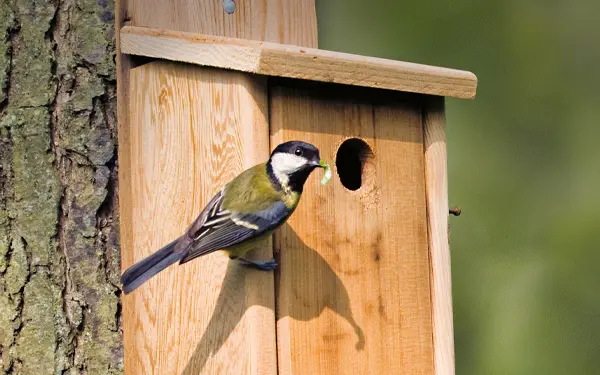
Top tips for putting up a nest box
Having a nest box in your garden can be very rewarding, but where and how you put it up is important for providing a safe and comfortable home for your feathered friends to nest in
Read More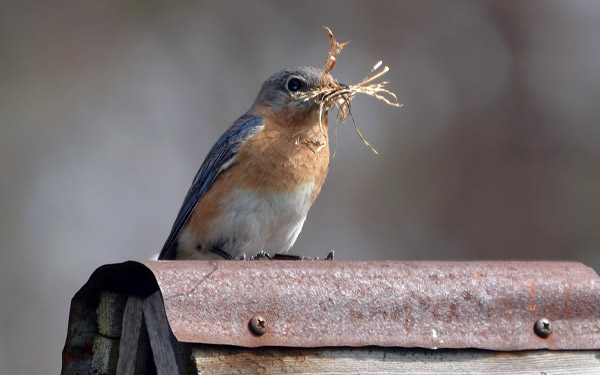
Helping birds in Spring
In early spring wild birds begin to build their nests and you can see robins, sparrows and other birds flying back and forth with twigs. Birds will begin to arrive back from their winter migrations and later on you'll see birds busy going back and forth to feed their young.
Read More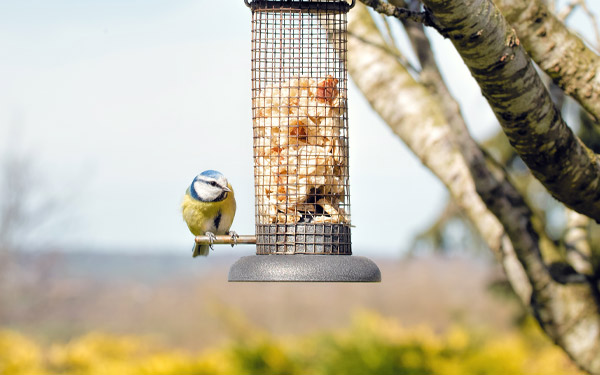
Autumn Bird Care
Just as Autumn is a time of change for the plants in your garden it is also a time of change for wild birds. Some birds have already started their migrations and other species will soon be starting theirs too. Many will be leaving the UK for warmer climates, but there will also be others arriving from colder countries.
Autumn bird adviceYou might find these helpful

NewsAll the Highway news in one place. Find out about our charity work, renovation work, upcoming events & more!

Garden Tips Our top ideas & advice for making the most of your garden, & easy to sort by season, month & topic

Meet the Team Find out more about the people that run Highway's many different departments

Careers Could a career at Highway be perfect for you? Check our latest job vacancies and discover the benefits of working for Highway